LEADERSHIP TEAM EFFECTIVENESS
When Capable Leaders Aren’t Working Well Together
A leadership team can be made up of highly capable people and still struggle to work effectively together. Communication breaks down. Decisions take too long. Priorities compete. Silos develop. The team spends more energy navigating one another than moving the organization forward.
The challenge is not always obvious, and the right solution depends on what is getting in the way. The first step is understanding what the team needs in order to work better together.
Build Around The Team, Not The Program
Athena works with senior leadership teams to understand what is getting in the way of greater effectiveness and determine what will make the greatest difference.
The work begins with the team, not a predetermined program. Depending on what the team needs, an engagement may focus on communication, alignment, decision-making, working relationships or other factors affecting how effectively the team works together.
HOW ATHENA WORKS
UNDERSTAND
Clarify what is happening, what has changed and where the team is getting stuck.
DESIGN
Determine the right approach based on the team’s needs, goals and circumstances.
INTERVENE
Work with the team to make practical changes in how they communicate, collaborate and perform together.
REINFORCE
Help the team carry those changes back into the way they work together every day.
WHEN LEADERSHIP TEAMS GET STUCK
The Problem Isn’t Always The People
A leadership team can struggle for many reasons. Sometimes roles have changed but ways of working haven’t. Sometimes communication styles create misunderstandings. Sometimes priorities are unclear, decisions stall or individual leaders operate well within their own areas but struggle to work across them.
The issue may be relatively straightforward, or several factors may be interacting. The goal is to understand what is actually happening before deciding what to do about it.
The team may be experiencing:
- Communication that repeatedly breaks down
- Slow or difficult decision-making
- Competing priorities
- Silos between functions
- Unproductive working relationships
- Difficulty adapting to change
Or you may simply be noticing:
- Meetings aren’t producing enough
- The same issues keep resurfacing
- Good people are frustrating one another
- Alignment disappears once people leave the room
- The team isn’t operating at the level it should
- Something has changed, but you’re not sure what
THE RIGHT APPROACH FOR THE TEAM
DIFFERENT TEAMS NEED DIFFERENT INTERVENTIONS
Once the challenge is understood, the work can be designed around what will make the greatest difference for the team. Sometimes that means helping leaders understand one another better. Sometimes the need is greater clarity around how work gets done. In other situations, the focus may be alignment, communication or the way the team operates together.
Athena draws on proven approaches selectively, based on what the team needs rather than starting with a predetermined program.
Understand the personality differences shaping communication, decision-making, problem-solving and working relationships across the team.
Understand where team members naturally contribute their best work, where they become frustrated and where the team may have gaps.
Strengthen the foundations of an effective leadership team by addressing trust, productive conflict, commitment, accountability and attention to collective results.
EXPERIENCE MATTERS
DECADES OF EXPERIENCE WITH LEADERSHIP TEAMS
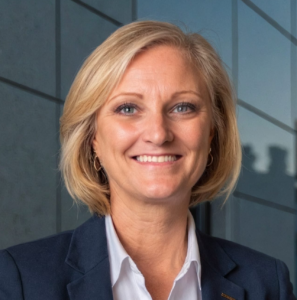
24 years of Myers-Briggs experience
Myers-Briggs Master Practitioner
Master’s degree in Leadership
Leadership team work requires more than knowing how to administer an assessment or facilitate a workshop. It requires understanding the people in the room, the organizational context and what needs to change when everyone goes back to work.
Dawn Frail has spent more than two decades working with leaders and teams across industries and organizations. She combines deep expertise in personality, leadership and team dynamics with a practical focus on helping teams work differently, not simply understand themselves better.
START THE CONVERSATION
YOU DON’T NEED TO KNOW THE SOLUTION YET
If you know your leadership team could be working better together, that’s enough to start the conversation. We’ll begin by understanding what’s happening and what the team needs.