
Ready to Take Your Personal and Professional Development to the Next Level?
In today’s fast-paced world, navigating leadership roles, career growth, and personal development can feel overwhelming. Whether you’re already in a leadership position, aiming for one, or simply looking to grow as an individual, the challenges you face are real. Let’s explore how you can overcome them and achieve your goals.

The Challenges You Face
For Leaders
You’re responsible for driving results, managing teams, and making tough decisions, but how do you ensure you’re leading effectively and inspiring your team?
For Aspiring Leaders
You want to step into leadership, but there’s often a gap between where you are and where you need to be. How can you bridge that gap and gain the confidence you need?
For Personal Growth Seekers
You want to improve communication, emotional intelligence, or self-awareness, but you may not know where to begin. How do you start making meaningful progress?
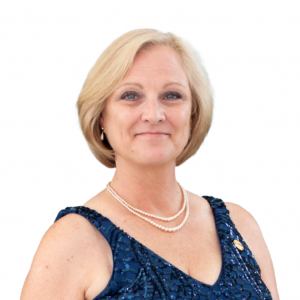 How I Can Help
Whether you are leading a team, looking to step into leadership, or focusing on personal development, my coaching services are designed to help you overcome these challenges.
Personalized Coaching
Gain insights into your leadership style, develop the skills you need, and address the challenges holding you back.
Proven Assessments
Understand your strengths and areas for improvement through assessments like the MBTI (Myers-Briggs), EQ-i 2.0 (Emotional Intelligence), Working Genius, and 5 Behaviors Personal Development. These tools help you gain clarity on your personal growth.
Free Resources
- Free Leadership Assessment
- Free eBook: “A GUIDE TO PRACTICING THE PLATINUM
 RULE; How to Treat People the Way They Really Want to Be Treated”
These resources will help you get started on your journey, whether or not you’re currently in a leadership role.
*Special Offer: 50% Off Coaching & Assessments
Sign up for coaching or an individual assessment within the next 30 days and receive 50% off. This limited-time offer is just for you because you attended a Toastmasters conference. It’s my way of giving back to the community that has given me so much over the years. Whether you want to improve your leadership abilities, prepare for a future role, or focus on personal development, now is the time to make it happen.
*Some conditions apply
Take the First Step Today
Click here to book a call. We’ll have a quick chat to confirm we’re the right fit for each other and if so, I’ll approve your special discount.

Bonus:
Toastmasters is a perfect context to explore the Five Dysfunctions of a Team. Whether it’s an Executive Committee, a contest team, or a club meeting, these dynamics show up regularly. Below are examples for each of the five dysfunctions, tailored specifically to Toastmasters.
1. Absence of Trust
Team members are unwilling to be vulnerable with one another.
Without Trust:
-
A club President never admits when they’re unsure about meeting protocol.
-
A VP Education struggles to organize Pathways support but won’t ask for help, fearing it will make them look incompetent.
-
Officers pretend everything is fine during ExCom meetings but complain privately about issues.
-
A member avoids taking on new roles out of fear they’ll fail — and no one knows because they won’t admit it.
-
A Toastmaster keeps giving polished speeches without trying new techniques, fearing vulnerability might hurt their reputation.
With Trust:
-
A new VP Membership openly says, “I’ve never done this role before — I’d love your input on how to get started.”
-
A member gives a speech and then says during feedback: “I really struggled preparing this. I’d appreciate suggestions, even tough ones.”
-
A new member asks during Table Topics evaluation, “What could I improve for next time?” — showing vulnerability and a willingness to learn.
-
A VP Education shares that they forgot to schedule a speaker and asks the team for support in filling the role.
-
A club President shares in an ExCom meeting, “I’m feeling overwhelmed this month. Can someone else take the lead on the contest?”
2. Fear of Conflict
The team avoids difficult conversations and pretends everything is fine.
Without Conflict:
-
Club officers know the Treasurer isn’t keeping proper records but avoid bringing it up to keep things “harmonious.”
-
A Toastmasters contest team disagrees on who should chair the event, but no one speaks up — leading to confusion and resentment.
-
An officer team agrees in silence during meetings but ignores action items they didn’t really support.
-
Members grumble privately about hybrid meetings but never raise the concern openly.
-
A seasoned Toastmaster gives unclear feedback because they fear offending the speaker, missing a growth opportunity.
With Conflict:
-
The Executive Committee debates whether to continue hybrid meetings, with strong opinions on both sides. People respectfully challenge each other and work toward a solution.
-
During officer training, someone says, “I disagree — I think that strategy hasn’t worked for our club. Can we consider a different approach?”
-
In a meeting, a member respectfully says, “I see what you mean, but I have a different take on how we could run the open house.”
-
During officer elections, candidates discuss ideas openly rather than staying vague to avoid disagreement.
-
The VP PR pushes back when asked to design a flyer last-minute, offering a better timeline for quality work.
3. Lack of Commitment
Without healthy conflict, team members don’t buy into decisions or priorities.
Without Commitment:
-
The Executive Committee decides to host an open house, but because not everyone agreed (and no one spoke up), some officers don’t promote it — and turnout is low.
-
A club decides to change meeting roles, but members don’t understand why and stop volunteering.
-
A club sets a Distinguished Club goal, but several officers don’t promote educational goals, saying “It’s not my focus.”
-
A VP Education repeatedly cancels meetings or forgets to update agendas because they weren’t fully committed to the role.
-
Members agree to plan an open house but miss deadlines because “someone else will do it.”
With Commitment:
-
After a spirited debate about officer elections, the team votes and commits to supporting the result. Everyone follows through, regardless of personal preferences.
-
Club members discuss and agree on a goal to reach Presidents Distinguished — and all work together to make it happen.
-
After a club vote to host a speech contest, even those who disagreed help make the event a success.
-
At the beginning of the year, the ExCom co-creates a club success plan and commits to seeing it through.
-
Members agree to a new mentorship program and each takes on a mentee, following through without being chased.
4. Avoidance of Accountability
Team members don’t hold one another to high standards.
Without Accountability:
-
A VP PR continually forgets to post meeting recaps, but no one says anything because “they’re busy” or “we don’t want to nag.”
-
A member frequently cancels speeches last minute, disrupting the agenda — but nobody addresses it directly.
-
No one follows up when a member repeatedly flakes on meeting roles.
-
The Treasurer doesn’t submit the dues on time, but the President avoids addressing it to “keep the peace.”
-
A member always evaluates without preparing, but no one gives feedback to help them improve.
With Accountability:
-
A member notices that sign-up sheets are being ignored and respectfully reminds the team during the meeting: “Let’s all remember to commit to a role.”
-
The Club President follows up with the Sergeant-at-Arms to make sure the banner and timing lights are consistently set up.
-
A club member gently reminds another, “Hey, you missed your timer role last week — everything okay?”
-
The President follows up on club officer training attendance and helps coordinate makeup sessions.
-
The VP Membership regularly checks in with members who haven’t attended in a while to keep them engaged.
5. Inattention to Results
Team members put their own needs (ego, comfort, status) ahead of the team’s collective goals.
Without Attention to Results:
-
A Toastmaster takes on every speaking role but doesn’t support others to grow, leading to an unbalanced club experience.
-
An officer is more focused on winning an Area Director award than helping the club achieve its goals.
-
A member speaks every meeting but never volunteers for smaller roles, saying, “I’m beyond that now.”
-
A club President prioritizes their personal leadership award over meaningful club improvements.
-
An Area Director focuses only on Distinguished metrics rather than helping clubs build quality meetings.
With Attention to Results:
-
A seasoned speaker steps back from speaking every week to mentor new members and support their progress.
-
An experienced member declines the role of chief judge (despite being qualified) to allow someone else to grow into the opportunity.
-
A DTM volunteer steps back from competing to coach new speakers during the contest season.
-
Officers track and celebrate progress toward club goals, not individual wins.
-
A long-time speaker supports role rotation so others can develop, even if it means fewer personal speaking opportunities.
Final Thought:
Toastmasters is a microcosm of team dynamics and an ideal place to practice the skills that combat dysfunctions: vulnerability, respectful conflict, commitment to shared decisions, accountability, and focus on collective success.